Ever felt like filing an insurance claim for an adult autism assessment is as confusing as assembling a piece of furniture with no manual? You’re not alone. Many adults who have recently received an autism spectrum disorder diagnosis find themselves tangled in paperwork, provider choices, and insurer jargon. This guide breaks No pretend play down the entire process—step by step—so you can focus on what matters most: getting the support you need.
Understanding the Need for an Adult Autism Assessment
Why an Assessment Matters
An adult autism assessment isn’t just a formality; it’s the cornerstone for accessing accommodations, therapies, and, crucially, insurance coverage. Think of it as the key that unlocks a door to resources that can dramatically improve daily life.
Common Misconceptions
- “I already know I’m autistic, so I don’t need another assessment.”
Even if you’re confident in your diagnosis, insurers often require a formal, documented assessment to approve services.
- “Assessments are only for children.”
Adult assessments are tailored to adult functioning, covering areas like employment, relationships, and mental health.
The Insurance Claim Process: From Diagnosis to Approval
Step 1: Gathering Documentation
Before you even pick up the phone, collect everything that proves your diagnosis and outlines your needs.
- Medical records from your primary care provider Previous psychological evaluations Any school or workplace accommodations received
> “A well‑organized file is the first step toward a smooth claim.” – Dr. Emily Hart, Clinical Psychologist
Step 2: Choosing the Right Provider
Not all providers are created equal. Look for clinicians who specialize in adult autism and have experience navigating insurance claims.
- Verify they are licensed in your state Ask if they’ve worked with insurers similar to yours Confirm they can supply a detailed report that meets your insurer’s criteria
Step 3: Completing the Assessment
During the assessment, the clinician will evaluate:
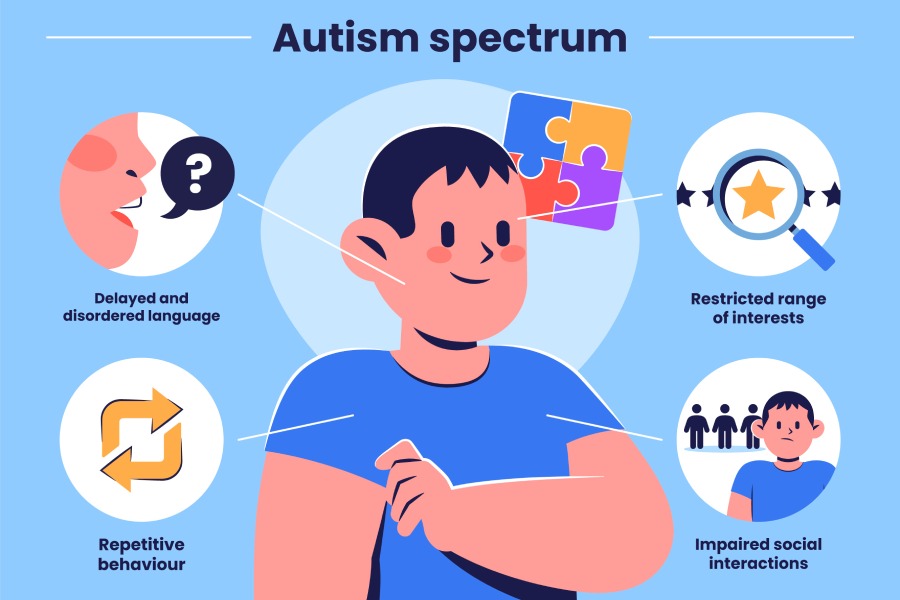
- Social communication skills Repetitive behaviors and interests Sensory sensitivities Executive functioning
Afterward, they’ll draft a comprehensive report. This document is the heart of your claim—make sure it’s thorough and clearly ties your diagnosis to the services you’re requesting.
Step 4: Submitting the Claim
Most insurers require a standardized form. Attach the clinician’s report, any supporting documentation, and a completed claim form.
- Double‑check the insurer’s submission guidelines Keep copies of everything you send Consider using a tracked delivery method if submitting by mail
Step 5: Following Up
If you haven’t heard back within 30 days, it’s time to check in. A polite phone call or email can keep the process moving.
- Ask for a status update Inquire if additional information is needed Keep a record of all communications
Practical Advice for a Smooth Assessment Journey
Preparing Your Records
An organized folder—digital or physical—can save you hours of back‑and‑forth.
- Create subfolders: Medical, Psychological, Employment, Insurance Label files clearly with dates and descriptions
Communicating with Your Provider
Clear communication reduces misunderstandings.
- Discuss the insurance requirements upfront Ask how the report will be structured Confirm the deadline for the assessment completion
Managing Expectations
Insurance approvals can be unpredictable. Set realistic timelines and be prepared for potential delays.
- Key Steps: Assessment completion: 2–4 weeks Claim submission: 1–2 weeks Approval: 4–6 weeks
A Real-World Anecdote
The Case of Sam
Sam, a 34‑year‑old graphic designer, received a diagnosis after years of self‑diagnosis and online forums. He thought the paperwork would be a breeze, but the insurer’s paperwork felt like a maze of legalese. After a month of back‑and‑forth, he realized the key was a detailed report that linked his autism to specific workplace challenges—like sensory overload in open‑office environments. Once that report was in, his claim was approved, and he secured a quiet workspace and therapy coverage.
Sam’s story illustrates that the right documentation can turn a bureaucratic nightmare into a success story.
Expert Quote and Reflection
> “The greatest enemy of knowledge is not ignorance, but the illusion of knowledge.” – Stephen https://squareblogs.net/belisaecig/how-to-help-an-autistic-girl-with-meal-planning-a-practical-guide Hawking
In the context of adult autism assessments, this quote reminds us that self‑awareness is powerful, but formal documentation is the bridge to tangible support.

Making Your Assessment Count
You’ve read about the steps, gathered your documents, and perhaps even met your clinician. The next phase is action: schedule the assessment, submit the claim, and stay on top of follow‑ups. Think of the process as a relay race—each step depends on the previous one, and a smooth handoff ensures you finish strong.
Remember, the goal isn’t just to get a claim approved; it’s to secure the accommodations that enable you to thrive. Treat the paperwork as a tool, not a hurdle. With preparation, clear communication, and a dash of patience, you can navigate the adult autism assessment for autism spectrum disorder insurance claim process steps advice guide assessment with confidence.
If you’re ready to take the next step, start by organizing your records today. Your future self—and your insurance provider—will thank you.